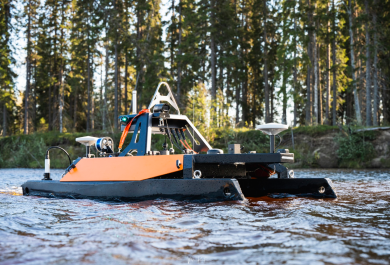
Maritime@TSE is a platform for maritime sector research and innovation activities at the Turku School of Economics (TSE).
The maritime sector plays a large role in Finland's economy. The University of Turku emphasizes a multidisciplinary research approach including sea and maritime as a versatile research context with long traditions. Similarly Turku School of Economics follows a multidisciplinary approach within the business studies for the maritime sector. With a strong reputation in maritime research from the business and economics perspective the Maritime@TSE research platform represents the faculty's research community in the field.
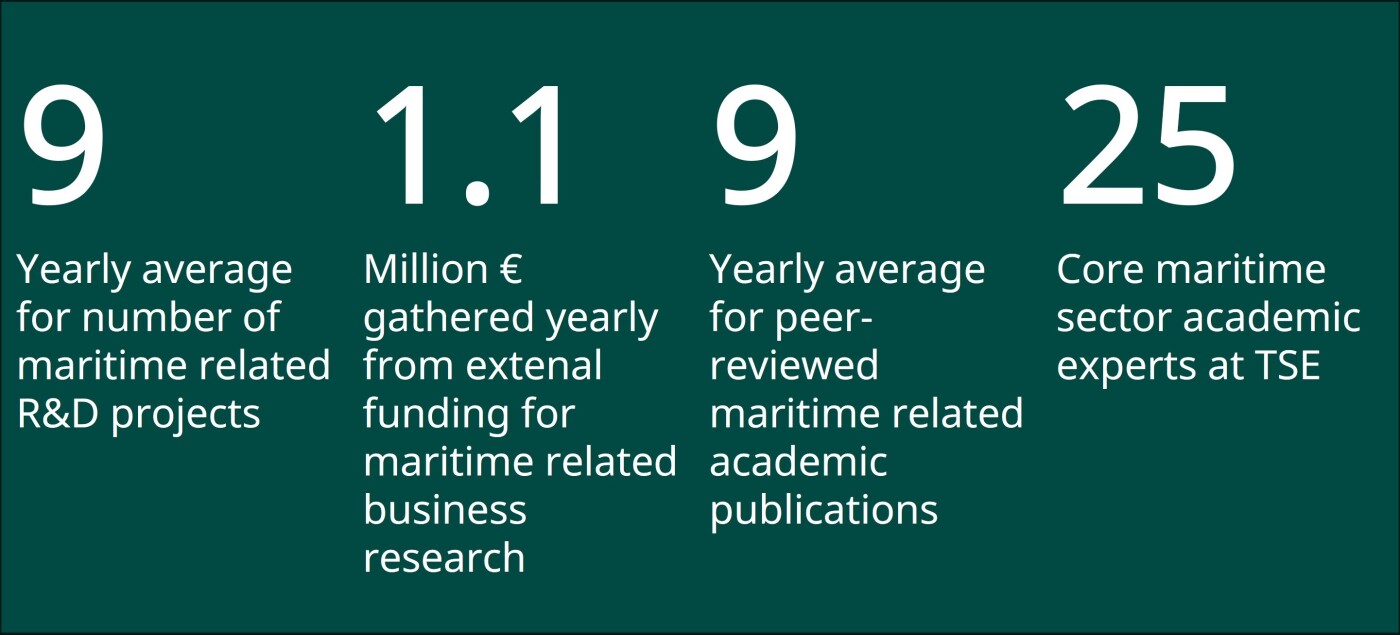
Maritime@TSE is an active and expanding community of professionals from different business studies disciplines. We have nearly 10 professors and research directors and around 30 post docs and other staff who have engaged in academic research connected to maritime sector. Among those about 25 academic experts work regularly in maritime-related topics and contexts. Our research activity is systematic, international and expanding. Our research is carried out in close collaboration with different maritime sector stakeholders domestically and internationally.
Maritime research footprint at TSE (based on 2021-25 data)
Research Focus Areas
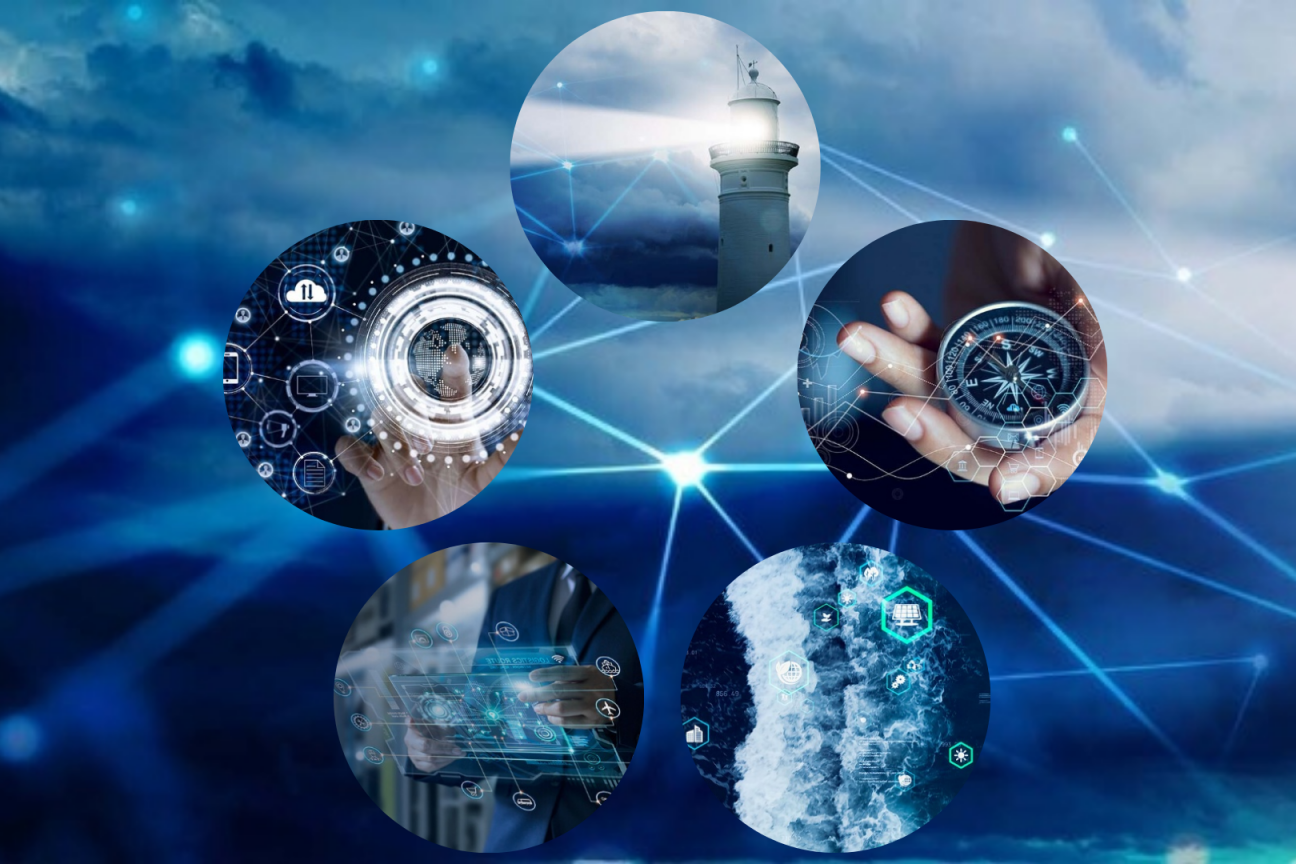
From all research in the faculty's 13 disciplines and units the maritime-related business research has been categorized to the following focus areas:

The focus area examines how geopolitical shifts, business cycles, and the security landscape impact global trade patterns and shipping routes and related regulation and business outcomes. We investigate the intersections of geopolitical turbulence, changing trade policies, and export value creation to understand how they reshape maritime networks and international team dynamics. Central to the perspective is also Finnish industry's position in relation to global dynamics and also supply chain resilience and national security of supply. The research in the focus area supports multi-actor maritime networks to remain agile, networks remain agile, secure, and prepared for future structural shocks.
Project examples include PolarRES, MUUTOS, HAZARD, ResQU2 and Lessons of Black Sea maritime warfare.
Significant amount research relates to how climate change grand challenge and related environmental mandates, alternative energy systems, and the regulatory dynamics impact global shipping networks and the costs of transport or tourism. We investigate sociotechnical transitions, green logistics value propositions, and sustainable energy requirements to understand how different scenarios alter sustainability management in global firms. An important perspectives include network orchestration and collaboration often in B2B settings, understanding of costs and dynamics in both transportation and energy markets as well as individual level perceptions and agency towards future choices. Also topics like biodiversity in business, ESG compliance and reporting, circularity or responsible tourism are closely tied in TSE's research.
Project examples include GreenConnect, Gyroscope, Susflow, Cruiseflex, Popcorn, Reisfer, and BlueCleanDigi.

The focus area examines how digitalization, automation, and emerging technologies alter maritime operations, transforming traditional business models and driving market shaping. We investigate the innovation and technology management, industrial data-driven value creation as well as renewal of technologies, practices and organizations. Crucial perspectives are ecosystems and servitization as increasingly connected ecosystems envision and actualize reshaped material, informationa and financial flows. However risks shouldn't be neglected either and therefore in the AI-era IT-related governance and ethics have a long background in TSE tradition. The research in the focus area supports maritime actors and networks in navigating digital transformations, helping them build competitive, agile, and strategically optimized digital value chains.
Project examples include Sea4Value Fairway, Sea4Value Smarter, MarketVision, COMMA, Ecoprodigi and Smart Port City

Focus area in human capital examines how evolving industry trends and technologies and structural phenomena reshape competence needs and professional requirements in maritime. We investigate the intersection of digitalization and Industry 4.0/5.0 paradigms, business intelligence and reporting requirements as well as leadership practices. A special emphasis is on integrating foresight approach on professional and organizational development to stay up-to-date with different societal requirements. The related research supports maritime organizations in developing heir essential commerical capabilities such as B2B sales, technology adoptions and business model renewal to ensure that their workforce remains highly skilled and adaptive to the changing environments.
Project examples include Merimerkit+, FORECO, MALAMA. Osuu ja uppoaa.

The focus area examines how economic modeling, industry structure, and development analyses are utilized to measure and improve efficiency and performance across the maritime sector. We investigate how all maritime sectors' value chains and their interdependencies. Within logistics and transportation the logistics markets, freight flow and capacity modeling, and logistics costs are studied to understand what kind of patterns and causalities are affecting supply chains. Additionally, value chains that serve the transportation sector like shipbuilding or related marine equipment providers are just as much a common target for TSE's analyses. By generating such studies from different levels the research supports industry policy and regulation evaluations, regional development for specific maritime clusters or overall via facilitating industry network and ecosystem development.
Project examples include Finnish shipping market, Finland State of logistics, Merimerkit and Maritime cluster financial figures

Projects
We plan and carry out several maritime-related externally funded R&D projects yearly. Projects with TSE involvement are listed below.
Recent projects
COMMA (BF) 2022-2025
ResQU2 (Interreg) 2018-2021
Oil spill (Interreg) 2018-2022
Logistiikkaselvitys 2020 & 2022
POPCORN (Interreg) 2020-2022
Finnish shipping market 2021 (MoTC) 2021-2022
Small island ferry traffic models (MoTC) 2023
Shipping company barometer 2023-2024
Ship traffic unit costs (FTIA) 2023-2024
ECOPRODIGI (Interreg) 2018-2021
CSHIPP (Interreg) 2018-2021
MUUTOS (Foundation for Economic education) 2022-2024
Osuu ja uppoaa (ESF) 2021-2023
Sea4Value Fairway (BF) 2020-2023
Sea4Value Smarter (BF) 2020-2023
SusCon (BF) 2020-2022
Smart Port City (Turku URP) 2023-2024
Smart100Business (ERDF) 2019-2022
TERVA (ERDF) 2021-2023
Unibluenet (ERDF) 2021
BlueCleanDigi (ERDF) 2021-2023
Maritime cluster financial figures 2024

Publications:
We regularly publish peer-reviewed high-impact international journal articles and comprehensive industry reports. A selection is featured below; for full records, please view our unit and individual researcher publication lists
Selected peer-reviewed publication highlights:
Events
We organize from time to time industry-academia events for maritime sector stakeholders on varying topics. Below you can find the recordings of the events.


You might also be interested in
CCR to collaborate with the Ministry of Economic Affairs and Employment in a 10-year research agreement